



Li Lu Bought Tencent Music: The “Chinese Spotify”
Li Lu is buying Tencent Music because it may be the “Chinese Spotify” at a cheaper price, with millions of users still moving from free music to paid subscriptions.
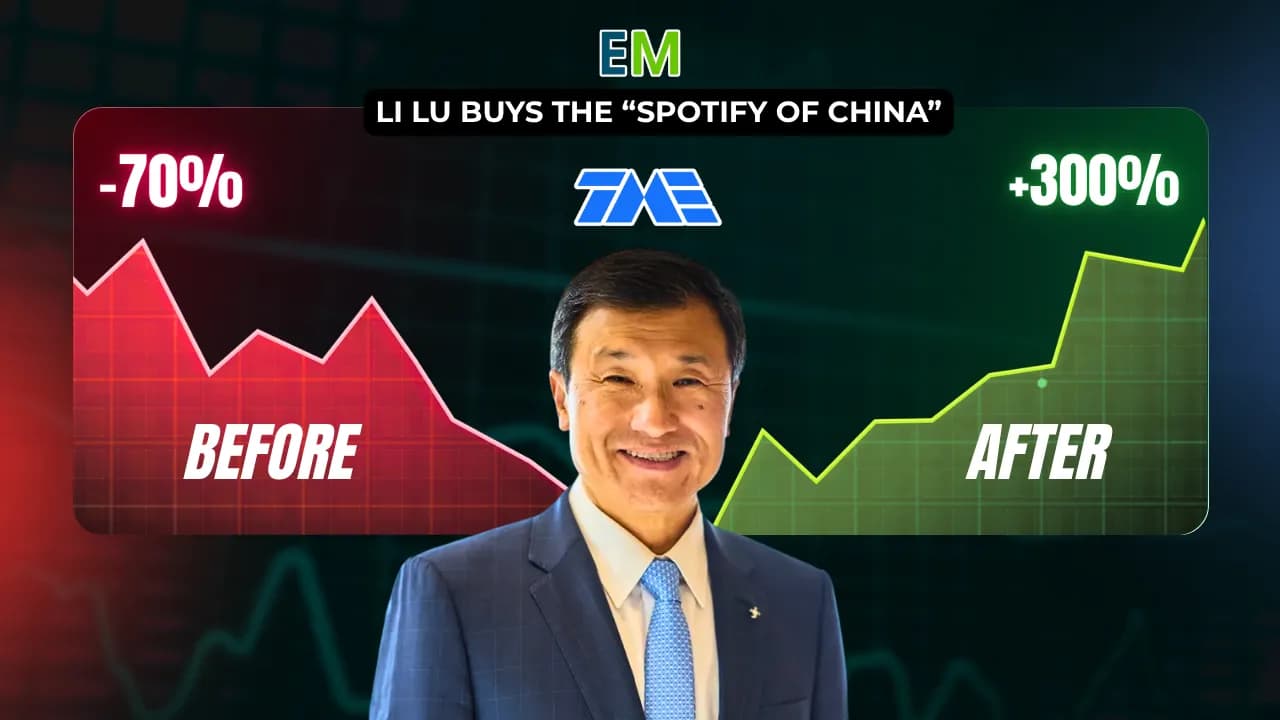
Li Lu is one of the most respected investors in the world. He runs Himalaya Capital and is known for being very picky. He does not buy a lot of stocks, so when he buys something new, investors pay attention. One stock he recently bought is Tencent Music Entertainment, ticker TME. Tencent Music is often called the Chinese Spotify. It owns major music apps in China, including QQ Music, Kugou, Kuwo, and WeSing. These apps let people stream music, sing karaoke, follow artists, and pay for premium music services. The simple investment idea is this: Tencent Music is a big music company in China, and more people in China are starting to pay for music. For many years, music in China was mostly free. A lot of people did not pay for songs or subscriptions. But that is changing. More users are paying for music, and Tencent Music is one of the biggest winners from that shift.
In 2025, Tencent Music had strong results. Revenue grew, online music revenue grew even faster, and paying users continued to rise. The company also had over 127 million online music paying users and more than 20 million SVIP subscribers. That means more people are not just using the app, but paying for better features. That is important because paid users are much more valuable than free users. Tencent Music also makes real profits. This is not a company losing tons of money just to grow. It is already profitable, growing, and paying a dividend. That makes it different from many tech companies. The moat is also strong. Tencent Music has many of the biggest music apps in China. Because it has so many users, artists and music companies want to be on its platforms. And because it has so much music, users want to stay. That creates a strong cycle.
Another interesting part is artificial intelligence. Some people worry AI will make music less valuable. But Tencent Music’s CEO said AI may actually make great music and premium content more valuable. If AI creates tons of average content, then real artists, popular songs, and strong music platforms may stand out even more. That could help Tencent Music.
The reason Li Lu may like TME is simple. It is a strong business in a huge market, and the market may still be early. China still has a lot of room for more people to become paid music subscribers. If that happens, Tencent Music can keep growing revenue and profits. The stock may also be cheaper than similar Western companies. Investors often put a lower value on Chinese stocks because of risks like regulation, politics, and the economy. Those risks are real. But that lower price can also create opportunity. There are still risks. Tencent Music is a Chinese company, so investors have to think about government rules, competition, and U.S.-China tensions. Also, the company said it will stop reporting some user numbers every quarter, which gives investors less detail.


But the big picture is clear. Li Lu is not buying a random music app. He is buying a leading music platform in China. Tencent Music has scale, profits, growth, and a strong market position.
The simple takeaway: Li Lu may be betting that Tencent Music will become more valuable as more Chinese consumers move from free music to paid music.
Disclaimer
Everything Money is Not an Investment Advisor: Everything Money (including Paul, Mo, and Any other person including, but not limited to, other staff members, guests, personalities, etc.) is not an investment adviser, and it is not registered as such with the U.S. Securities & Exchange Commission or any other state or federal authority under the Investment Advisers Act of 1940 or any other law. The investments and strategies discussed in Everything Money’s YouTube videos and on Everythingmoney.com are not and should not be considered investment advice and may not be suitable for you. They do not take into account your particular investment objectives, financial situation, needs, or personal circumstances and are not intended to be specific to you. Before acting on any investment or strategy discussed, you should always do your own research and make your own independent decision about whether it is suitable for your particular circumstances. You should also consider seeking advice from your own legal, financial, tax, accounting, or investment advisers. Everything Money does not provide such advice.
READ THE FULL DISCLAIMER HERE: https://everythingmoney.com/disclaimer